

Ah, warmblood horses! If you’ve been around horses long enough, you know they’re special creatures. They’re strong, athletic, and the epitome of what centuries of passionate breeding and an unwavering dedication to the sport of kings can produce. Warmblood horses, with their fluid gaits and keen minds, are like living, breathing pieces of art, crafted by the hands of time and tradition.
They carry themselves with an air of nobility, yet there’s a softness in their eyes that speaks volumes of their gentle nature. They’re the athletes of the equine world, versatile and adaptable, excelling in just about every equestrian discipline you can think of—be it the balletic movements of dressage or the heart-stopping leaps in show jumping.
Spending time around warmblood horses will make you appreciate their physical abilities and spirit. They’re exquisite partners, attuned to the subtlest cues and always ready to give their all. They’re a testament to what can be achieved when human and horse work in perfect harmony, pushing the boundaries of what’s possible in the arena and beyond.
Elegance meets endurance in these horses. This article covers their history, characteristics, the different types of warmblood breeds, their presence in equestrian sports, breeding and registry, care and management, and lists helpful links for those interested in doing some research. So, whether you’re a seasoned equestrian or a beginner wanting to learn, you’re bound to find this in-depth article helpful.
Table of Contents
History and Origins
The saga of warmblood horses stretches back centuries, rooted in the agricultural landscapes of Europe. Unlike the term “warmblood” might suggest, these horses are not a result of a simple hot-blood (thoroughbred) and cold-blood (draft horse) cross, but rather the outcome of sophisticated breeding strategies aimed at creating the ultimate sport horse.
European Beginnings
The story begins in various regions of Europe, where each country started developing its own breed of warmblood, tailored to the needs and preferences of the local equestrian culture. These breeds were initially workhorses, bred for farm work, carriage pulling, and cavalry mounts, but always with an emphasis on versatility, temperament, and a moderate size.
Transition to Sport
As the industrial revolution reduced the need for workhorses, breeders shifted their focus towards creating horses for sport and recreation. This transition marked the beginning of the warmblood as known today—a horse bred specifically for equestrian sports. The breeding objectives evolved to prioritize athleticism, agility, and a trainable temperament.
Influential Bloodlines
Thoroughbred and Arabian horses played a significant role in refining warmblood horses and their different breeds, adding speed, stamina, and refinement. This infusion of “hot-blood” traits into the sturdier local horse populations gave rise to horses with the ideal combination of strength, endurance, and elegance.
Breed Development
Each region’s breeders carefully selected and crossed horses not just based on breed, but on desirable traits, leading to the establishment of various warmblood breeds such as the Hanoverian, Dutch Warmblood, and Swedish Warmblood, among others. These breeds were developed with specific equestrian disciplines in mind, leading to their dominance in dressage, show jumping, and eventing.
Studbooks and Registries
The formation of studbooks and registries was crucial in maintaining breed standards and ensuring the quality of breeding stock. These organizations set rigorous inspection and performance criteria for breeding animals, which helped standardize the breeds and improve quality over generations.
Modern Warmbloods
Today, warmblood horses are celebrated for their achievements in the equestrian arena, boasting a lineage that combines the best of both worlds—the power and durability of their cold-blooded ancestors with the speed and sensitivity of hot-blooded breeds. This rich history has not only shaped the modern warmblood but has also left a lasting imprint on the equestrian sports landscape.
Shop equestrian products like breeches, riding shirts, equestrian gifts, horse jewelry and more in our online riding shop.

Characteristics of Warmblood Horses
Known for their remarkable versatility and athleticism, warmblood horses exhibit a set of distinctive characteristics that set them apart in the equine world. These horses have been meticulously bred to balance strength, agility, and temperament, making them highly sought after for various equestrian disciplines.
Physical Attributes
Warmblood horses typically showcase a harmonious conformation that combines muscular build with elegant lines. They possess a strong back, powerful hindquarters, and well-defined withers, contributing to their impressive athletic abilities. Their height often ranges between 16 to 17 hands, making them sizable yet graceful. But they can also be smaller at 15 hands and bigger at 18 hands. The coat colors of warmblood horses vary widely, including bay, chestnut, gray, and black, and, though less common, can also be palomino, paint, and buckskin, reflecting the diversity within the breed.
Temperament
One of the most prized characteristics of warmblood horses is their temperament. Known for being calm, intelligent, and willing, these horses are a pleasure to train and work with. Their even-tempered nature makes them suitable for both professional athletes and amateur riders alike. Warmblood horses are renowned for their keen intelligence and ability to form strong bonds with their handlers, making them responsive and cooperative partners in training and competition.
Movement and Performance
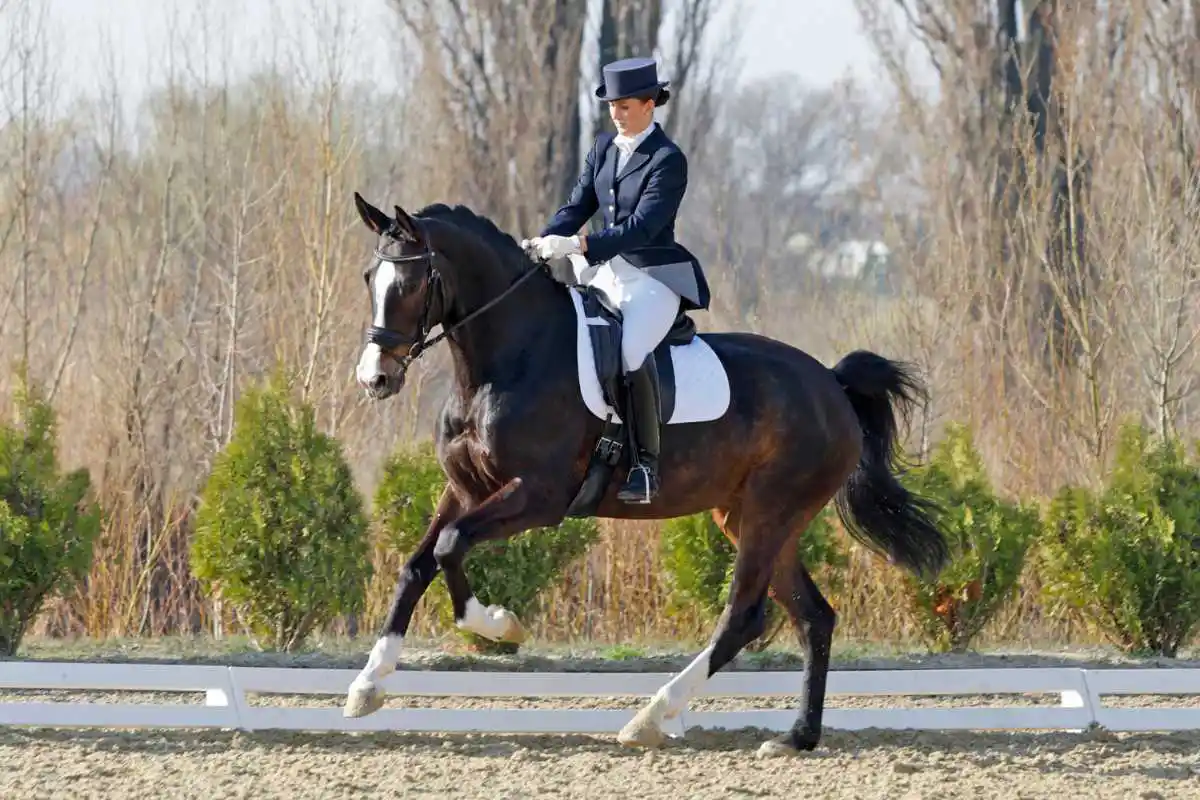
The movement of warmblood horses is characterized by fluid, expansive gaits that demonstrate both power and finesse. They are particularly noted for their impressive trot, which often displays a remarkable suspension and elasticity. This quality of movement, combined with their natural balance and agility, makes warmblood horses exceptional performers in disciplines such as dressage and show jumping. Keep in mind that conformation plays a big role in movement, so while warmbloods are known for their big, fluid gaits, you’re also bound to find some that aren’t as graceful of movers as others due to bad conformation.
Versatility
Warmblood horses are the epitome of equestrian versatility. Their breeding has equipped them with the physical and mental attributes necessary to excel in a wide range of disciplines, from the precision of dressage to the demanding courses of eventing and the high jumps of show jumping. This versatility extends beyond the competitive arena, as warmblood horses are also cherished as recreational and family horses, adaptable to various riding styles and activities.
Health and Longevity
Good breeders of warmblood horses place a high emphasis on health and soundness, ensuring the horses they produce are not only capable athletes but also resilient and long-lived. Through selective breeding practices, warmbloods have been developed to withstand the rigors of training and competition, with a keen focus on maintaining sound conformation and minimizing hereditary health issues.
Learn more about horse anatomy.

Major Warmblood Breeds
Within the broad spectrum of warmblood horses, several standout breeds have made significant marks on the equestrian world. Each of these breeds embodies the core characteristics of warmbloods—athleticism, intelligence, and versatility—while also bringing unique traits to the arena.
Hanoverian
Originating from Germany, Hanoverian horses are among the oldest and most prestigious warmblood breeds. Known for their exceptional grace and athleticism, these horses excel in dressage and show jumping. Hanoverians are characterized by their strong limbs, powerful hindquarters, and expressive gaits. The breed’s rigorous selection process ensures that only the best individuals are bred, maintaining high standards of performance and temperament.
Dutch Warmblood
Dutch Warmblood horses, hailing from the Netherlands, are renowned for their striking presence and adaptable nature. These horses often top the rankings in dressage, show jumping, and eventing, showcasing their versatile capabilities. Dutch Warmbloods possess a blend of agility, strength, and a keen willingness to work, making them highly valued by competitive riders worldwide.
Oldenburg
The Oldenburg breed, originating from the Oldenburg region in Germany, is known for its large frame and powerful build. These warmblood horses are particularly favored for dressage and show jumping due to their impressive movements and strong work ethic. Oldenburgs are distinguished by their expressive eyes, well-muscled body, and a kind, cooperative temperament.
Westphalian
Westphalian horses, from the Westphalia region of Germany, are highly regarded for their reliability and performance. These warmblood horses excel in a variety of disciplines, thanks to their balanced conformation, elastic gaits, and responsive nature. Westphalians are often recognized for their harmonious build and the ease with which they handle the demands of both training and competition.
Swedish Warmblood
The Swedish Warmblood breed is celebrated for its athleticism and friendly disposition. Originating in Sweden, these horses are versatile performers, often seen in the upper echelons of dressage, show jumping, and eventing. Swedish Warmbloods are known for their good temperaments, making them excellent choices for both professional and amateur riders.
Belgian Warmblood
Belgian Warmblood horses are a testament to the country’s rich equestrian tradition, bred specifically for show jumping and dressage. These warmblood horses are characterized by their powerful build, agility, and competitive spirit, making them a popular choice among top equestrians.
Danish Warmblood
Hailing from Denmark, the Danish Warmblood is a relatively newer addition to the warmblood family but has quickly gained a reputation for its athleticism and amiable nature. This breed is a product of careful selection, blending the best of native Danish horses with other prominent warmblood lines to create a versatile and competitive sport horse. They are noted for their success in dressage, attributed to their elegant movements, balanced conformation, and keen intelligence.
Selle Français
The Selle Français originated in France, particularly from the Normandy region, renowned for its horse breeding tradition. This region’s rich equestrian heritage, combined with selective breeding practices, contributed to the emergence of the Selle Français as a premier sport horse, excelling in show jumping and other equestrian disciplines. This breed of warmblood horses is known for its power, performing at the highest levels of competition.
Trakehner
Originating from East Prussia, Trakehners are one of the oldest warmblood breeds, valued for their endurance, elegance, and sensitivity. They are used for both riding and light draft work, endowing them with excellent endurance and stamina. These traits are particularly beneficial in the cross-country phase of eventing, where horses must cover long distances over challenging terrain. While their sensitivity is an asset, it requires skilled handling to ensure that they remain focused and confident.
Holsteiner
From the Schleswig-Holstein region of Germany, Holsteiners are among the top breeds for show jumping, recognized for their strong, muscular conformation, which includes a robust body, powerful hindquarters, scope, and reliability. Their physical structure gives them the strength and power necessary for explosive jumps and the agility required to clear high obstacles and perform complex dressage movements, making them a top choice for high level show jumping and dressage.
Irish Sport Horse
Originating from Ireland, the Irish Sport Horse has been bred for its versatility, athleticism, and temperament. This breed is a result of crossing the native Irish Draught horses with thoroughbreds and, in some instances, with additional warmblood influences to enhance its sport capabilities. This breed of warmblood horses is known for their courage and athleticism and excels in eventing and show jumping.
Bavarian Warmblood
Hailing from Bavaria in Germany, Bavarian Warmbloods are appreciated for their temperament, athleticism, and versatility. They perform well in dressage, show jumping, and eventing, and are known for their reliability and competitive nature. Their hardiness and good health contribute to their reliability as sport horses. The Bavarian State Stud in Schwaiganger plays a significant role in ensuring the breed continues to meet the high standards required for modern equestrian sports.
Brandenburger
From the Brandenburg region of northwestern Germany, Brandenburgers are recognized for their athleticism and adaptability. These horses are competitive in dressage and show jumping and are known for their good temperaments and willingness to work, making them highly trainable and responsive. This breed of warmblood horses exhibits expressive and elastic gaits, particularly a noteworthy trot and canter, which are essential for high scores in dressage. Their powerful and efficient movement also translates well in the show jumping arena, where precision and agility are key.
Swiss Warmblood
Swiss Warmbloods, or Schweizer Warmblut, originate from various parts of Switzerland, rather than a specific region within the country. Switzerland’s horse breeding programs are spread across its diverse geographic landscape, from the plains to the mountainous regions. The development of the Swiss Warmblood has been a national effort, involving selective breeding practices that incorporate the best qualities of various European warmblood breeds to create versatile and athletic sport horses suited for a range of equestrian disciplines. These warmblood horses embody the qualities of a modern sport horse. They are increasingly recognized in the international equestrian community for their capabilities in dressage and jumping.
New to riding? These beginner horseback riding tips will help get your started on the right hoof.
Warmbloods in Equestrian Sports
Warmblood horses have established themselves as the epitome of excellence in equestrian sports, consistently showcasing their prowess, versatility, and elegance across various disciplines.
Dressage
In the intricate and graceful discipline of dressage, warmbloods are particularly revered. Their natural inclination for expressive, balanced movements and their ability to perform complex maneuvers with precision makes them ideal candidates. Warmblood breeds like the Hanoverian, Dutch Warmblood, and Oldenburg often top the leaderboards in international dressage competitions, embodying the harmony and artistry that the discipline demands.
Show Jumping
Warmbloods excel in the high-adrenaline sport of show jumping, where power, agility, and bravery are paramount. Breeds such as the Belgian Warmblood, Holsteiner, and Selle Français have become synonymous with top-level show jumping, thanks to their explosive jumping ability, speed, and intelligence in navigating courses.
Eventing
The demanding discipline of eventing, which combines dressage, cross-country, and show jumping, sees warmbloods demonstrating their exceptional versatility and stamina. Irish Sport Horses, for example, are renowned for their success in eventing, showcasing the endurance inherited from thoroughbred lineage and the strength from Irish Draught ancestors.
Driving
Warmbloods also participate in driving competitions, where their strength, steady temperament, and willingness to work in teams come to the forefront. Breeds such as the Oldenburg and certain lines of Dutch Warmbloods have been successful in combined driving events, highlighting their adaptability and cooperative nature.
Breeding for the Sport
The success of warmbloods in equestrian sports is no accident but the result of meticulous breeding strategies aimed at enhancing specific traits desirable in sport horses. Studbooks and breeding organizations play a crucial role in this process, setting rigorous standards and organizing performance tests to ensure that only the best individuals contribute to the gene pool.
Warmbloods and Amateur Riders
Beyond the professional arenas, warmbloods are also cherished by amateur riders and equestrian enthusiasts. Their trainable nature, coupled with a generally calm demeanor, makes them suitable for a variety of riders, offering the joy of high-level equestrian sports to a broader audience.
Legacy and Future Prospects
Warmbloods continue to shape the future of equestrian sports, with breeders and riders constantly striving for the perfect balance of talent, temperament, and health. As equestrian sports evolve, so too do the breeding and training of warmbloods, ensuring their place at the heart of the equestrian world for generations to come.
Breeding and Registry
The breeding and registry practices for warmblood horses are foundational to their success and prominence in the equestrian world. These practices ensure the continuation of high-quality bloodlines and the consistent improvement of the breed’s athletic capabilities, temperament, and health.
Structured Breeding Programs
Warmblood breeding is characterized by its structured and strategic approach. Breeders focus on pairing mares and stallions based on complementary traits, aiming to produce offspring that embody the ideal characteristics of the breed. This includes not only physical attributes like conformation and movement but also temperament and trainability.
Role of Studbooks
Studbooks play a crucial role in maintaining the purity and quality of warmblood breeds. Each major warmblood breed has its own studbook, which records pedigrees and monitors breeding practices. These studbooks often have strict entry requirements, including performance tests, veterinary examinations, and evaluations of conformation and movement, to ensure that only the best individuals are registered and approved for breeding.
Performance Testing
Performance testing is a critical component of the warmblood breeding program. Both mares and stallions undergo rigorous testing to evaluate their abilities in dressage, show jumping, and sometimes eventing. These tests assess not just the horse’s physical abilities but also its temperament, willingness to work, and trainability. Only those that meet or exceed specific criteria are approved for breeding, ensuring the perpetuation of desirable traits.
International Collaboration
Warmblood breeding is a global endeavor, with breeders, registries, and organizations across different countries collaborating to share genetics and breeding strategies. This international exchange has led to the improvement of breeds and the creation of horses that excel in the global equestrian sports arena.
Preservation of Bloodlines
While striving for improvement, warmblood registries also focus on preserving valuable bloodlines. Historic and proven lines are carefully maintained, with breeders often incorporating these lines into their breeding programs to ensure genetic diversity and the retention of essential breed characteristics.
Breed Inspections and Approvals
Breed inspections and approvals are significant events in the warmblood community. These inspections assess young horses and breeding stock, grading them on various criteria. The outcomes of these evaluations influence breeding decisions and the direction of the breed’s development.
Education and Research
Registries and breeding organizations often invest in education and research to advance breeding techniques and understand genetics better. This commitment to education ensures that breeders are knowledgeable about the latest developments in equine genetics, health, and training.
Links
The Swedish Warmblood Association of North America
Belgian Warmblood Breeding Association (BWP/NAD)
Dutch Warmblood Breeders of North America (NA/WPN)
Rhineland Pfalz-Saar International (RHPSI)
 About
About Subscribe
 Contact
SHOP OUR MARKETPLACE
The Soho BootCrown in Burgundy Patent Mock Croc
Lavender Ash Riding Shirt
Stiff Rope Halter-&-Matching Lead-Woven noseband Overlay- Horse Training Halter
Square Braided Lead Rope
VIEW ALL PRODUCTS >