

The horse has been a symbol of strength and elegance throughout human history. From the ancient steppes where they were first domesticated to spectacular modern day equestrian competitions, horses have and continue to captivate our hearts. They’ve also played a pivotal role in the development of civilizations across the globe, and the story of horse breeds is as diverse as it is fascinating, intertwining with our history in warfare, agriculture, sport, and companionship.
In exploring the different types of horse breeds that exist today, we delve into a rich tapestry of heritage, with each breed bearing its unique characteristics and story. These breeds have been shaped not only by natural evolution but also by human needs and preferences, leading to the incredible variety we see today. From the swift Arabians, known for their endurance and speed, to the mighty Clydesdales, celebrated for their strength and calm demeanor, each breed carries a legacy as intriguing as its appearance and character.
Understanding these breeds goes beyond mere recognition; it involves appreciating their significance in various cultures and industries. In modern times, while their role in daily labor has diminished due to technological advancements, their cultural and sporting significance remains undiminished.
They’ve been our companions in battles, our helpers in fields, and now, they’re the stars of the show ring and the best listeners you could ever find in a stable.
So, saddle up with us as we take you on a journey through the world of horse breeds, to celebrate their beauty and diversity and recognize the profound impact they’ve had on human societies. The evolution and preservation of these breeds tell a story of human ingenuity, adaptation, and, most importantly, a deep-seated bond between humans and the remarkable animal we’ve come to know as the horse.
Table of Contents
Understanding Horse Breeds
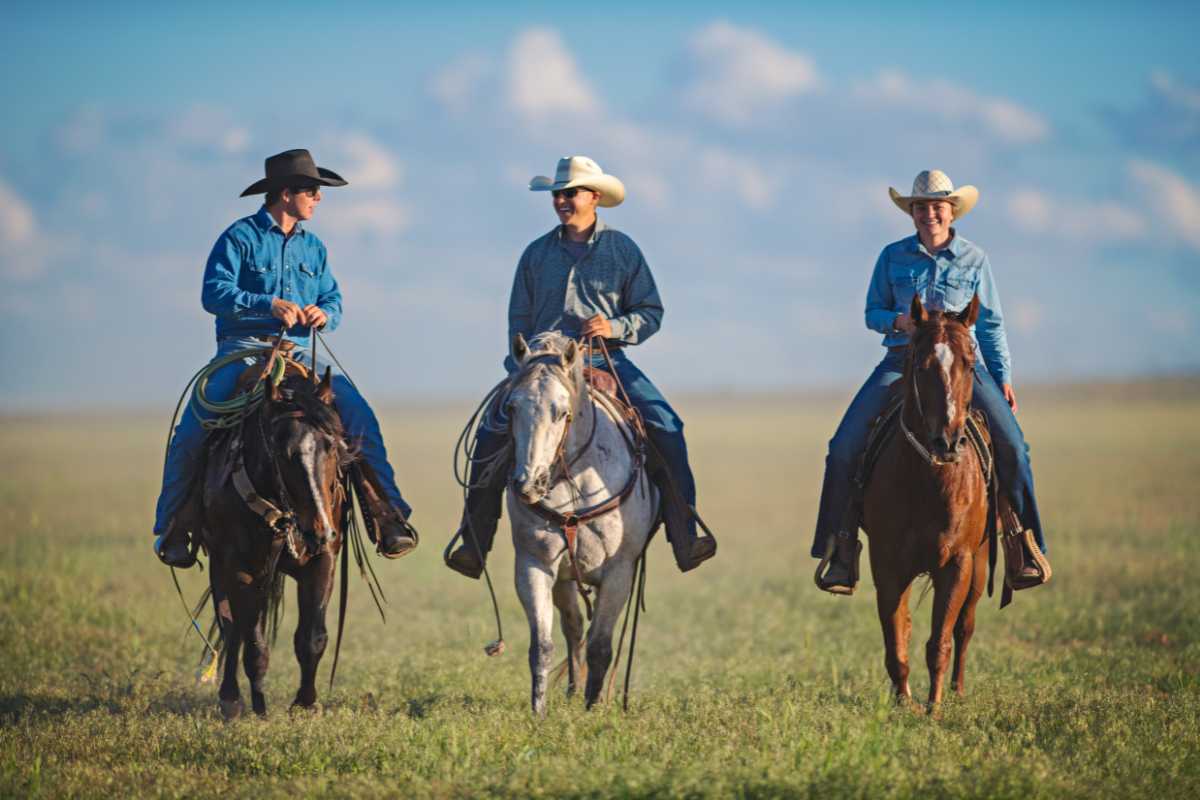
First, the nitty-gritty about what exactly makes a horse breed a ‘breed’. Because it’s not just about whether they win beauty contests or can run faster than your internet connection. A horse breed is a distinctive group of horses, often having a common ancestry, that share consistent characteristics over generations. Think of it as a horse family reunion where everyone shares certain traits, like that one unmistakable family nose… but in this case, it’s more about mane style and galloping gait.
But how do we decide if a group of horses can be called a breed? It’s a bit like a scientific tea party, where the criteria for an invite include factors such as appearance, abilities, temperament, and history. For instance, if a group of horses has been selectively bred over time to be great at sprinting, they might be categorized as a certain breed. It’s like having a family known for being great at marathon running, only with more neighing involved.
This careful categorization is crucial because it helps us understand and appreciate the diversity in the equine world. From the powerful draft horses that could probably pull a truck out of a ditch, to the nimble show jumpers clearing fences like they’re hopping over puddles, each breed has its own unique flair and set of skills. These distinctions are not just for show; they have practical implications in various equestrian disciplines, conservation efforts, and even in understanding equine health and genetics. If you’re interested in learning more about horse anatomy and equine health, check out our in-depth article Horse Anatomy 101.
So, as we explore the different horse breeds, remember, we’re not just talking about ‘horses’. We’re talking about centuries of history, selective breeding, and cultural significance galloping through the veins of these magnificent creatures. Each breed is a world unto itself, with stories to tell and traits to marvel at. Welcome to the fascinating, multi-faceted universe of horse breeds!
Major Categories of Horse Breeds
In the kaleidoscope of horse breeds, they broadly fall into three colorful categories: Hotbloods, Coldbloods, and Warmbloods — each with its own flavor and flair. Like different types of cars designed for specific purposes, these horse breeds have been shaped by human needs and natural selection to excel in various roles.
Hotbloods: The Equine Elite
Imagine the Ferraris of the horse world — sleek, fast, and with an engine that purrs… well, neighs in this case. Hotbloods, such as the iconic Arabians and the fleet-footed Thoroughbreds, are the poster children for speed and spirit. Originating from warmer climates, they are like the athletes who train in high-altitude areas – built for endurance and performance. With their slim bodies, large nostrils (think high-performance air filters), and a fiery temperament, they’re the stars of racetracks and endurance trails.
Coldbloods: The Gentle Giants
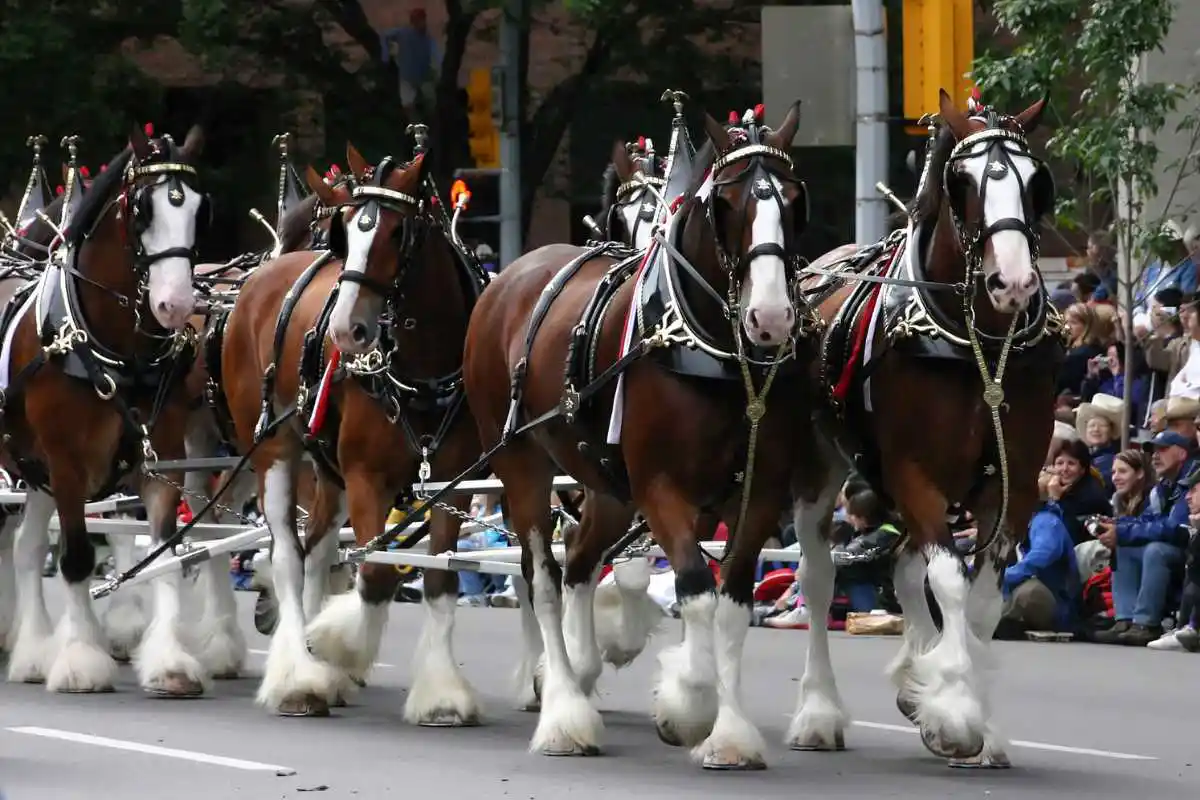
Now, picture the SUVs of the equine domain. Coldbloods, like Clydesdales and Percherons, are the calm, collected powerhouses. Bred in cooler climates, these breeds are like the weightlifters who also double as teddy bears. They boast sturdy builds, a calm demeanor, and a work ethic that would put a marathoner to shame. Traditionally used for heavy farm and industrial work, they are the embodiment of strength meeting serenity.
Warmbloods: The Versatile Performers
Think of these as the luxury sedans — balanced, elegant, and versatile. Warmbloods, such as Hanoverians and Trakehners, straddle the line between the hotblooded speedsters and the coldblooded powerhouses. They are the all-rounders, excelling in show jumping, dressage, and eventing. With a physique that’s athletic yet not too extreme in any direction, and a temperament that’s spirited yet manageable, they’re like the decathletes of the horse world – good at almost everything they turn their hooves to.
Specialized Horse Breeds
As we trot further into the realm of equine diversity, we encounter specialized horse breeds, each sculpted for specific purposes. These breeds are like the specialized tools in a craftsman’s kit, honed for perfection in their respective roles. Specialized breeds showcase the remarkable versatility and adaptability of horses, whether it’s breaking speed records on the racetracks, plowing fields, or leaping gracefully over hurdles.
Racing Breeds: The Speed Demons
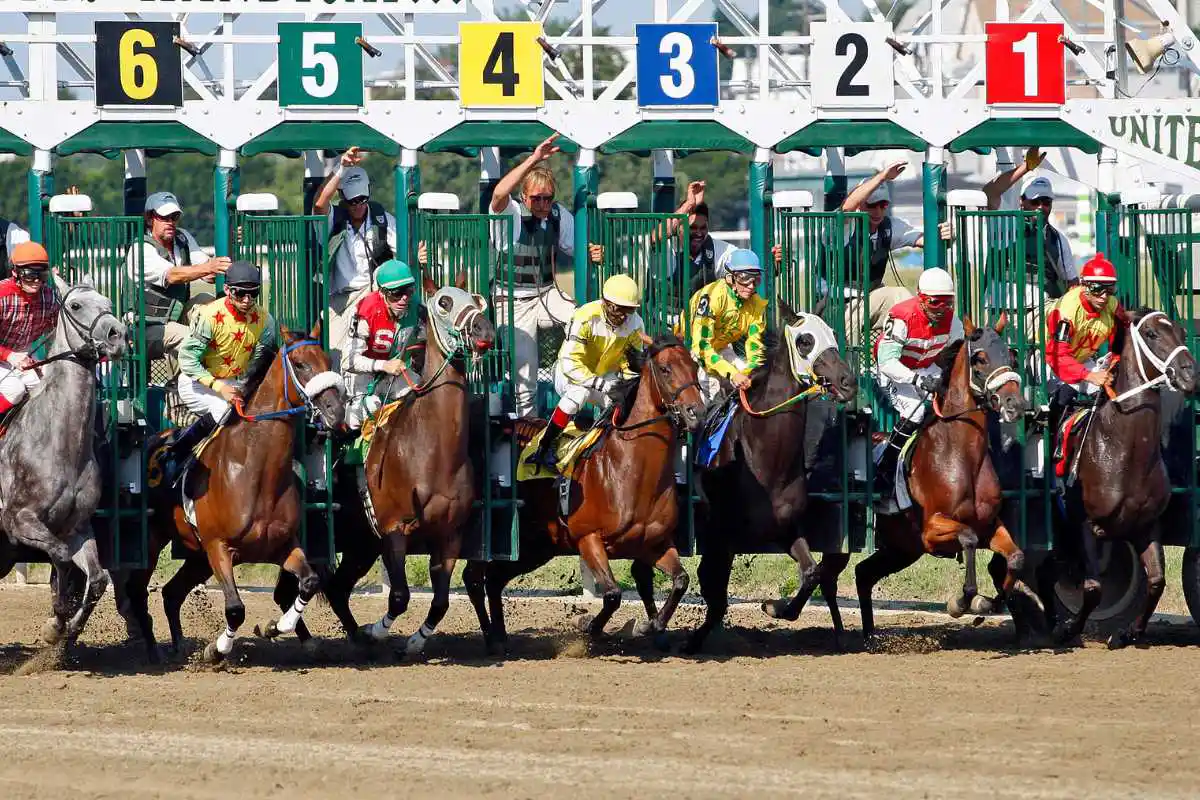
At the forefront are the Thoroughbreds and Standardbreds, the undisputed champions of the horse racing world. Thoroughbreds, with their sleek, athletic builds and heart-pounding speed, dominate the racetracks and can excel in both sprint and distance races depending on their bloodlines and conformation. American Quarter Horses, on the other hand, are the serious sprinters of the racetrack, bred to go top speeds for very short distances. Standardbreds, on the other hand, are the marathon runners, excelling in harness racing with their incredible stamina and steady pace. These breeds are the result of meticulous breeding for speed and agility, making them the superstars on racecourses.
Work and Utility Breeds: The Power Movers
Enter the realm of the heavy-duty workers: breeds like the Clydesdales and Belgian Drafts. These breeds are the epitome of brawn meets beauty. With their massive muscles and calm, patient nature, they have been the backbone of agricultural and industrial work for centuries. They’re like the reliable, powerful trucks in the automotive world, capable of pulling heavy loads and performing demanding tasks with grace and strength. American Quarter Horses also fall into this category and are commonly found as working horses on ranches and cattle farms.
Show and Competition Breeds: The Graceful Athletes
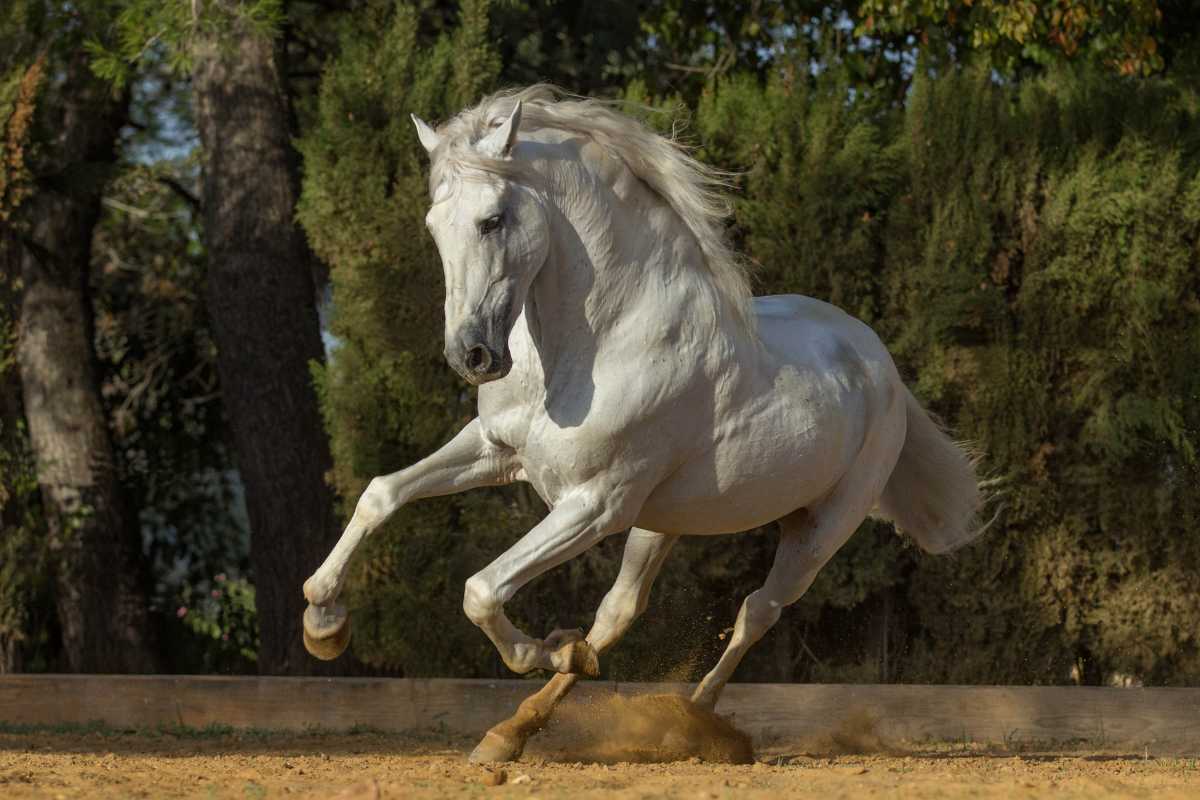
In the glittering arenas of show jumping and dressage, breeds such as the Dutch Warmblood and Andalusian take the spotlight. These breeds are the ballet dancers and gymnasts of the horse world, combining power with poise and elegance. Their agility, intelligence, and willingness to be trained make them ideal for these precision-based equestrian sports. Watching them perform is like observing a well-rehearsed dance, full of finesse and artistry.
It’s common to see many different horse breeds in modern day competitions. Unless the show is restricted to a specific breed, you’re likely to see a smorgasbord of horse breeds competing against one another. It becomes less common at the top levels of competition like, say, at the Longines FEI Jumping World Cup, a top-tier show jumping event where horses jump a course of five-foot fences not for the faint of heart.
Shameless plug: if you’re an equestrian, we have a great selection of riding apparel, horse tack, and equestrian gifts you’ll love in our marketplace.

Rare and Exotic Horse Breeds
Now, let’s venture into the less trodden paths of the equine world, where rare and exotic horse breeds captivate with their unique allure. These breeds are like the hidden gems in a treasure chest, each with a distinctive sparkle that sets them apart and adds diversity to the equine world.
Akhal-Teke: The Desert Jewel
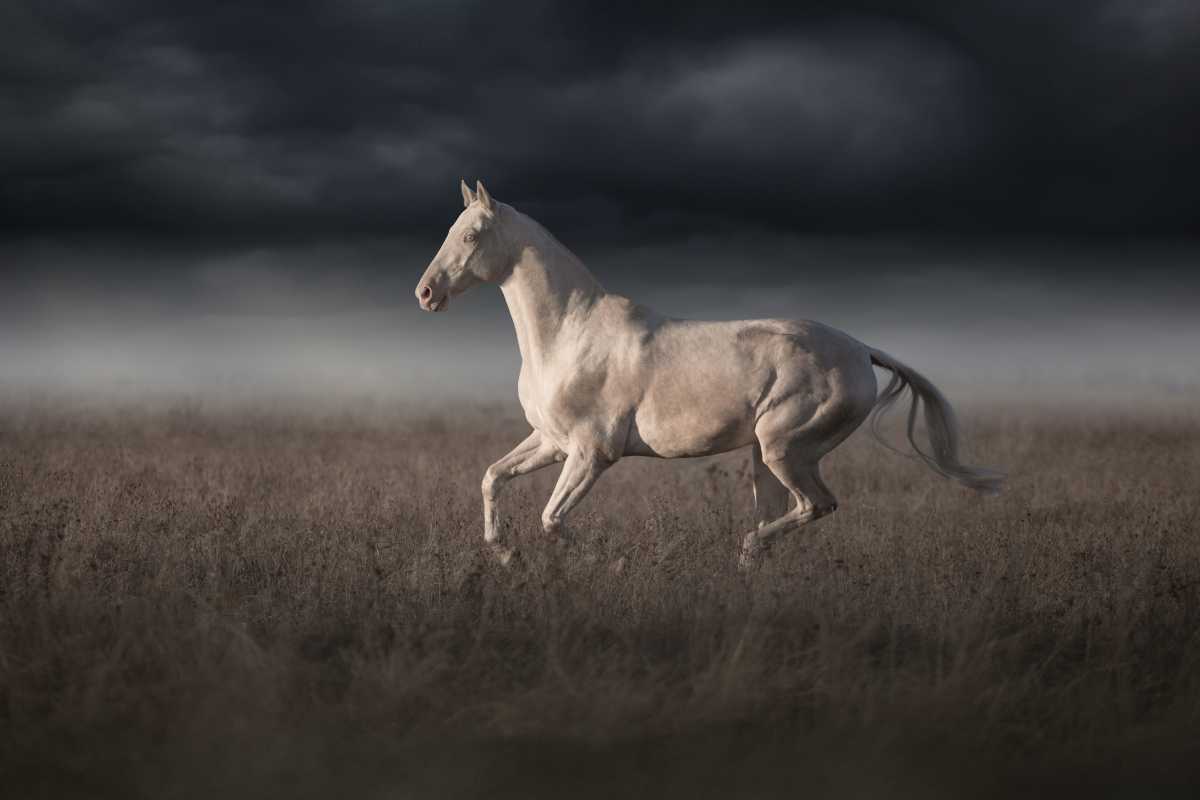
Hailing from Turkmenistan, the Akhal-Teke is a vision of metallic sheen and elegance. Known for their shimmering coat that seems to reflect the sun’s rays, they are often called “horses from heaven”. This breed is not just about looks; they are renowned for their endurance and speed, a legacy of their origins in the harsh desert environments. The Akhal-Teke is a rare blend of beauty and resilience, a living testament to the adaptability of horses.
Friesian: The Black Pearl
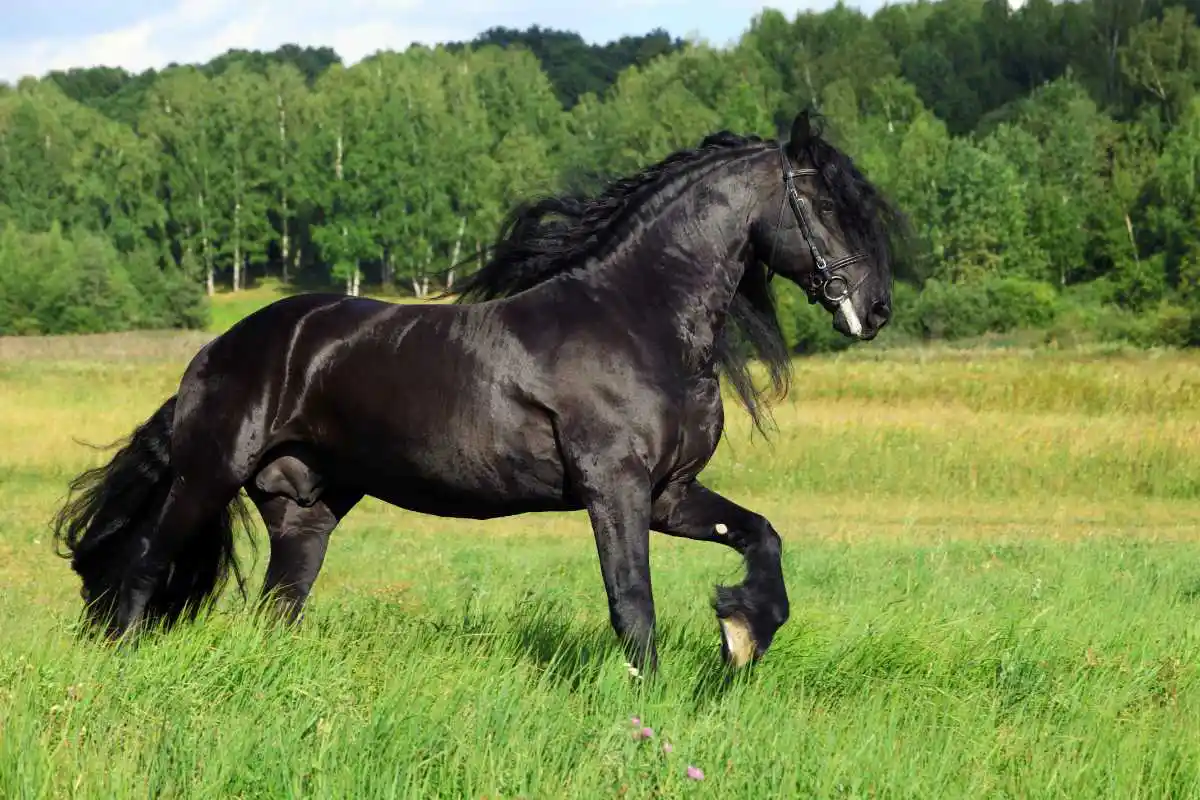
Originating from the Netherlands, the Friesian is a majestic breed, often recognized by its glossy black coat and flowing mane. They’re like the baritones of the equine choir, strong, melodious, and impossible to ignore. Historically used as war horses in the Middle Ages, today they are celebrated for their grace in dressage and driving. The Friesian combines power with elegance, capturing the hearts of horse enthusiasts worldwide.
Current Status and Conservation
The rarity of these breeds adds an element of urgency to their conservation. As enchanting as they are, breeds like the Akhal-Teke and Friesian face challenges due to limited genetic diversity and shrinking habitats. Conservation efforts are crucial to ensure they continue to thrive. And it’s a race against time.
Regional Breeds and Their Significance
These breeds are like the local ambassadors of their regions, each telling a story deeply rooted in their homeland. The embodiment of cultures and histories of their native lands.
Mustangs of North America: The Wild West Survivors
Mustangs are as iconic as the American West itself. Descendants of escaped or released Spanish horses, they roam free in the wild, symbolizing unbridled freedom and resilience. These horses are not just animals; they’re living symbols of American history, representing the spirit of independence and survival in harsh landscapes. Their management and preservation continue to be subjects of significant interest and debate, reflecting the ongoing narrative of wild versus domesticated life.
The Bureau of Land Management is constantly conducting inhumane roundups of wild Mustangs on federal lands. We encourage you to conduct a google search on the matter and stand up for wild mustangs in any way you can. There is strength in numbers, and together we can make a difference in the lives of the horses that shaped our country.
Did you know that Australia has their own version of the mustang that like ours helped shape their country? They’re called Brumbies and you can read more about the plight of the Australian Brumby here.
Lipizzaners of Europe: The Classical Dancers
Hailing from the historic Lipica stud in Slovenia, Lipizzaners are synonymous with classical dressage and the esteemed Spanish Riding School of Vienna. Known for their powerful yet graceful movements and exceptional trainability, they are like the sophisticated, well-educated scholars of the horse world. Lipizzaners are not just horses; they are a part of European cultural heritage, celebrated for their role in preserving classical equestrian arts.
Impact of Geography and Culture
The unique characteristics of these regional breeds are not just a product of natural evolution but also a reflection of the human activities and environments that shaped them. Mustangs adapted to the rugged terrains of the American West, while Lipizzaners were bred for the refined requirements of classical dressage. These breeds offer a window into how geography and culture influence the development of distinct equine traits and behaviors.
Conservation and Preservation of Horse Breeds
This is a topic of paramount importance. It isn’t just about keeping a few extra horses around but about maintaining the rich tapestry of genetic diversity and cultural heritage these animals represent and honoring our past, cherishing our present, and securing a future where the neighs and gallops of these diverse breeds continue to resonate. Conserving horse breeds is akin to protecting a living museum of nature and culture. The preservation of these breeds isn’t just an equine issue; it’s a testament to our relationship with the natural world and our responsibility towards it.
The Plight of Endangered Breeds
Many horse breeds are on the brink of becoming more myth than reality. Breeds like the Przewalski’s horse, once extinct in the wild, and others with dwindling populations, face threats from habitat loss, changing agricultural practices, and a limited gene pool. These endangered horse breeds are like the rare books in a library — precious and irreplaceable, holding stories and genetic traits that could be lost forever.
Efforts to Preserve Genetic Diversity
Conservation is more than a noble cause; it’s a crucial effort to safeguard the future of equine species. Various organizations, breed associations, and conservationists are working tirelessly to ensure horse breeds don’t trot into the sunset of extinction. Strategies include breeding programs, habitat restoration, and public awareness campaigns. By preserving genetic diversity, we’re not just saving breeds; we’re ensuring the health and vitality of horses for generations to come.
The Role of Organizations in Conservation
Organizations like The Livestock Conservancy and the Rare Breeds Survival Trust play a pivotal role in these efforts. They’re like the guardians of equine diversity, monitoring breed populations, promoting sustainable practices, and collaborating internationally to keep these breeds thriving. Their work ensures that the legacy and unique characteristics of horse breeds are not just a chapter in history but a living, breathing part of our world.
The Future of Horse Breeding
This isn’t just about maintaining traditions; it’s about steering the future through innovation and foresight while respecting the legacy of each breed. As breeders, enthusiasts, and caretakers, our role is to ensure that the journey forward is dignified and sustainable.
Technological Advances in Breeding
From advancements in genetic testing to sophisticated reproductive techniques like artificial insemination and embryo transfer, science is opening new frontiers in horse breeding. These tools will help guide breeders in making informed decisions to enhance genetic health, preserve rare traits, and even resurrect almost-lost breeds. It’s a blend of preserving the past and sculpting the future.
Adaptation to Changing Environments
As our world changes, so do the needs and roles of horse breeds. Climate change, urbanization, and shifts in land use are reshaping the equine landscape. Breeds that once plowed fields may now excel in therapy or leisure riding. This adaptive journey is like a dance with nature, where horses and humans learn new steps to stay in harmony with a transforming world.
Societal Impact on Horse Breeding
The societal view of horses is also influencing breeding trends. With a growing emphasis on ethical treatment and welfare, there’s a shift towards breeding for temperament and health over just performance or aesthetics. This shift is akin to a cultural renaissance in the equine world, where the value of a horse is measured not just in ribbons won but in the quality of life and companionship offered.
Takeaway
Horses are not just a part of our history and culture; they are active participants in our present and architects of our future. Horse breeds, in their incredible diversity, are a testament to the symbiotic relationship between humans and horses, a bond that has been nurtured over centuries.
From the hotbloods that race with fiery passion to the coldbloods that work with stoic strength, and the warmbloods that perform with graceful agility, each breed brings its unique qualities to the tapestry of the equine world. The specialized breeds, whether racing on tracks or showcasing elegance in dressage, demonstrate the pinnacle of selective breeding and training. Meanwhile, the rare and exotic breeds remind us of the precious genetic and cultural heritage that we must diligently protect and preserve.
The future of horse breeds will be shaped by our commitment to conservation, our willingness to adapt to changing environments, and our dedication to ethical breeding practices. Whether we are breeders, riders, or simply admirers of their majestic beauty, we all play a role in ensuring that the legacy of the horse and each unique breed gallops forward into the future.
 About
About Subscribe
 Contact
SHOP OUR MARKETPLACE
Dark Grey Snaffle Bit Crushed Velvet Blanket
Equestrian Snaffle Bit Cream Premium Towel
Hunter Jumper English Bit Grey Premium Towel – Equine Bathroom Design – Horse Lovers Gift
Wood Custom Design Cutout – Painted/Patterned DIY Wooden Craft Supplies & Shapes – Laser Cut Horse Shape Friesian Draft
VIEW ALL PRODUCTS >